
Feng Shui Floor Plan Analysis: Practical Kitchen and Bathroom Feng Shui Fixes for a Balanced Home
Discover actionable Feng Shui fixes for your kitchen and bathroom layouts to enhance energy flow and create a balanced, harmonious home environment. This guide offers practical tips based on room-level optimization without superstition.
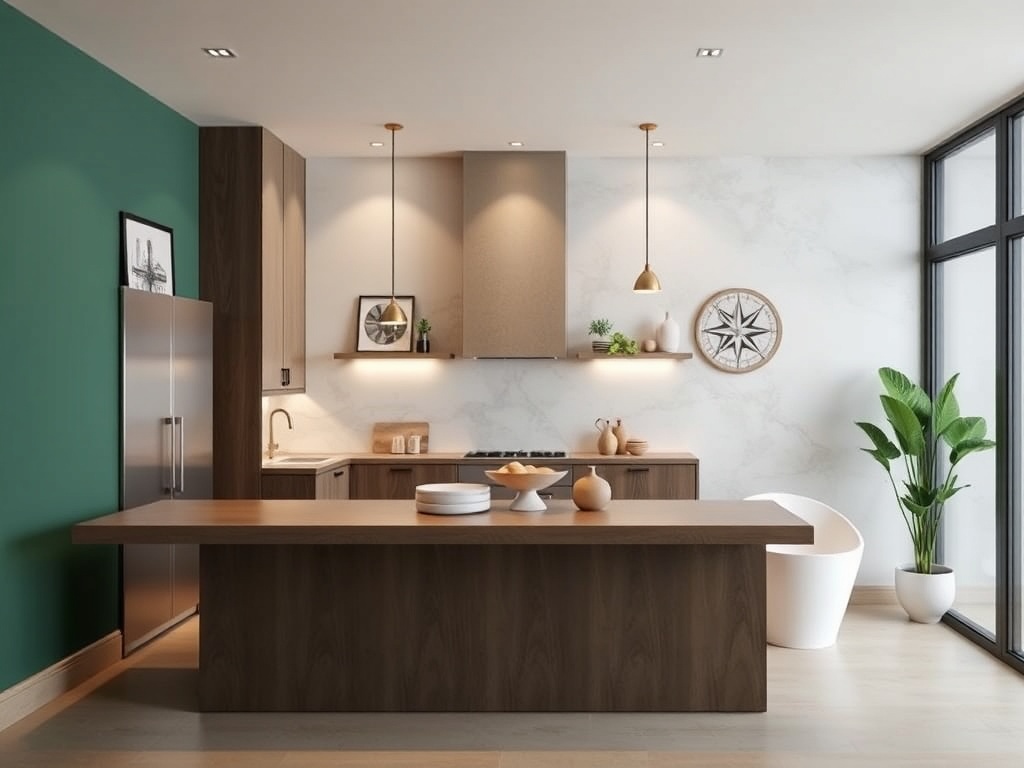
Understanding Feng Shui Principles for Kitchen and Bathroom Layouts
Feng Shui is an ancient Chinese practice focused on creating balance and harmony within a living space by optimizing the flow of energy, or chi. When applied to kitchens and bathrooms, Feng Shui emphasizes the importance of layout, element balance, and room function to foster a healthy, comfortable environment.
In Feng Shui, the kitchen represents nourishment and family health, so it’s essential to maintain a clean, organized, and well-ventilated space. The bathroom, on the other hand, is associated with cleansing and releasing negative energy. Proper design and layout help prevent energy stagnation or loss.
Key Feng Shui concepts include balancing the five elements—wood, fire, earth, metal, and water—within these rooms. For example, the kitchen naturally involves fire (stove) and water (sink), so their placement in relation to each other influences harmony. Similarly, bathrooms often contain water elements, so balancing them with earth or wood components can help regulate energy flow.
Common Feng Shui Issues in Kitchen and Bathroom Arrangements
Certain layout problems frequently disrupt energy flow in kitchens and bathrooms. A common kitchen issue is placing the stove directly opposite or adjacent to the sink or refrigerator, creating a clash between fire and water elements that can lead to imbalance.
Another typical problem is cluttered countertops or poor lighting, which can block the smooth circulation of chi and reduce the room’s functionality.
In bathrooms, doors that open directly towards the kitchen or face the front door may cause energy to rush out of the home, leading to a feeling of imbalance. Additionally, inadequate ventilation can trap stale energy, making the space feel heavy or stagnant.
Mirror placement is another concern; mirrors reflecting the toilet or shower can amplify negative energy or cause discomfort. Identifying these common issues is the first step toward practical solutions.
Effective Feng Shui Fixes for Kitchen Layouts
To improve kitchen Feng Shui, begin by assessing the stove and sink placement. Ideally, these two should not face each other directly to avoid fire-water conflict. If relocation isn’t feasible, consider placing a wooden or earth element divider, such as a small plant or ceramic decor, between them to balance energy.
Decluttering countertops enhances energy flow and increases usability. Store items neatly and keep frequently used tools within easy reach to support efficiency and reduce stress.
Color choices also influence mood and energy. Soft earth tones or warm colors like muted reds and oranges can energize the kitchen without overwhelming it. Avoid dark or overly bright shades that may create discomfort.
Good lighting is essential; natural light is preferable, but if unavailable, use warm LED lighting to create a welcoming atmosphere.
Lastly, incorporating plants can introduce wood elements that promote vitality and freshness.
Practical Feng Shui Adjustments for Bathrooms
Start by ensuring the bathroom door does not align directly with the kitchen or front door to prevent energy from rushing out. If this is unavoidable, placing a small screen or curtain can help buffer the flow.
Ventilation is critical in bathrooms to remove moisture and maintain fresh energy. Use exhaust fans or open windows regularly to prevent dampness and mold, which can negatively impact the room’s energy.
Mirror placement should avoid reflecting the toilet or shower. Position mirrors to reflect light and open space instead, enhancing the sense of cleanliness and openness.
Balancing water energy in bathrooms can be achieved by adding earth or wood elements, such as ceramic accessories or small plants, to absorb excess moisture and stabilize energy.
Keep the bathroom tidy and decluttered, as mess can block energy circulation and create a feeling of heaviness.
Integrating Feng Shui Floor Plan Analysis and Bagua Map Floor Plan for Room-Level Optimization
Using Feng Shui floor plan analysis alongside the Bagua map helps identify energy zones within your home, allowing targeted improvements in kitchen and bathroom areas.
The Bagua map divides your floor plan into nine sections, each corresponding to aspects like health, wealth, or relationships. By overlaying this map onto your layout, you can see which zones your kitchen and bathroom occupy.
For example, if the kitchen lies in the wealth sector, focusing on cleanliness and element balance there may enhance prosperity energy. If the bathroom is in a health-related area, maintaining freshness and good ventilation becomes even more critical.
This method ensures your Feng Shui adjustments align with the broader energy flow of your home, creating a cohesive environment that supports well-being.
Maintaining Your Feng Shui Kitchen and Bathroom Over Time
Sustaining positive energy flow requires ongoing attention. Regularly declutter and clean your kitchen and bathroom to prevent stagnation.
Inspect lighting and ventilation systems periodically to ensure they function properly.
Consider seasonal updates, such as introducing fresh plants or adjusting color accents, to keep the energy vibrant and responsive to changing needs.
Mindful design updates—like replacing worn fixtures or refreshing paint—can support continued harmony and comfort.
Remember, Feng Shui is not about rigid rules but about creating spaces that feel balanced and welcoming to you.
About This Content
Editorial standards: Author & Editorial Standards
Methodology: How FengShuiAI Builds Reports
FAQ
Can I apply Feng Shui principles to small kitchens and bathrooms?
Yes, Feng Shui adjustments can be adapted to any space size by focusing on energy flow, clutter reduction, and balanced element placement tailored to your room's dimensions.
Is it necessary to move plumbing fixtures for Feng Shui fixes?
Not necessarily. Many Feng Shui improvements involve repositioning furniture, adding elements, or changing colors rather than costly plumbing changes.
How does the Bagua map help in optimizing kitchen and bathroom layouts?
The Bagua map divides your home into energy zones, helping identify which areas correspond to health, wealth, or relationships, guiding targeted Feng Shui enhancements.
Are Feng Shui fixes effective without following superstitions?
Absolutely. Feng Shui at its core promotes harmony through practical design and spatial awareness, which can improve comfort and well-being without superstition.
Topic Cluster Guides
Upload Your Floor Plan for a Free Summary
Ready to enhance your kitchen and bathroom with practical Feng Shui fixes? Start by assessing your current layout and applying these actionable tips to create a balanced, harmonious home environment.
For lifestyle optimization inspiration only. Not professional, medical, legal, or financial advice. Results vary by home layout and input quality.
This article provides practical Feng Shui layout advice intended to improve spatial harmony and comfort. It does not offer medical, financial, or fortune-telling guidance.
Editorial standards: Author | Methodology