
Feng Shui Floor Plan Analysis: Feng Shui Bedroom Layout: Practical Bed Placement and Room Arrangement Tips
Discover actionable Feng Shui bedroom layout tips focusing on how to place your bed, align doors, and arrange furniture to create a restful, balanced environment without superstition. Learn practical fixes for better sleep and energy flow.
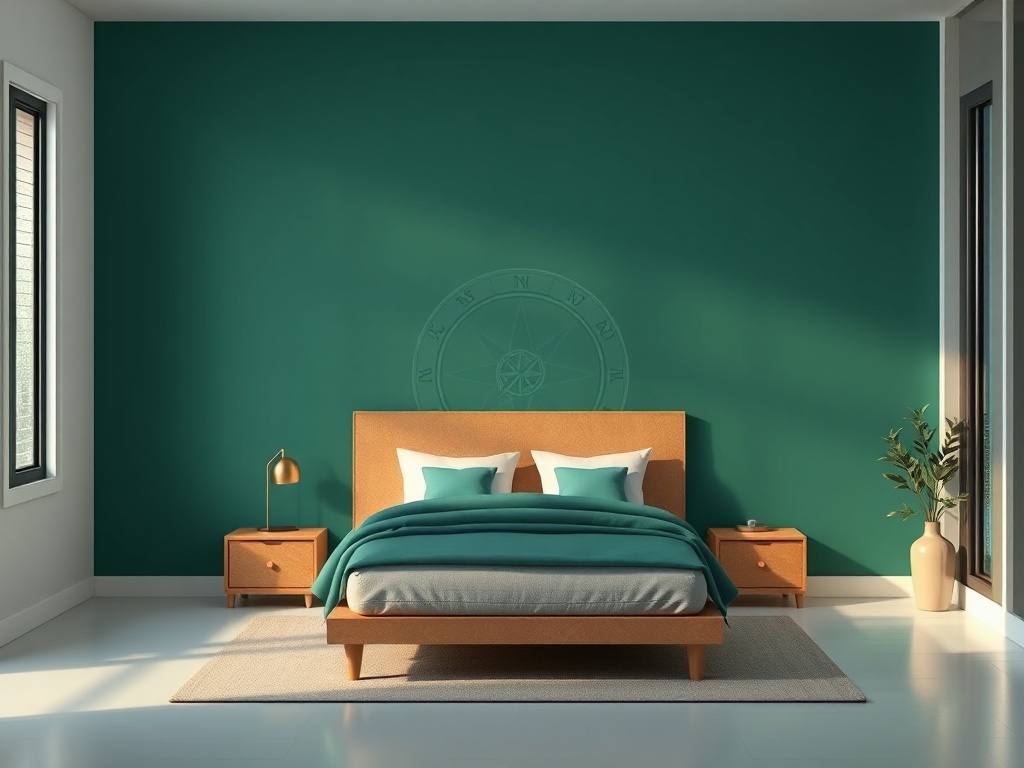
Understanding Feng Shui Principles for Bedroom Layout
Feng Shui is an ancient practice focused on harmonizing individuals with their surrounding environment. When applied to bedroom design, it emphasizes creating a space that supports restful sleep and balanced energy flow. Key concepts include the flow of 'chi' or energy, which should move smoothly without obstruction, and the strategic placement of furniture to foster a sense of security and comfort.
One foundational principle is the importance of bed placement, as the bed is where you spend a significant portion of your time resting and recharging. The position of doors and windows also plays a crucial role, influencing how energy enters and circulates within the room. Aligning these elements thoughtfully can help maintain privacy and minimize distractions, contributing to a peaceful atmosphere.
How to Place Your Bed According to Feng Shui
Positioning your bed correctly is central to optimizing your bedroom’s Feng Shui. The ideal placement is known as the 'command position.' This means the bed should face the bedroom door, allowing you to see the entrance while lying down, but it should not be directly in line with the door to avoid feeling vulnerable or overwhelmed by incoming energy.
Avoid placing your bed under a window if possible, as this can lead to restless sleep due to less support and increased exposure to outside disturbances. If the layout limits your options, consider installing a sturdy headboard and using curtains or blinds to create a sense of protection and stability.
Maintain clear space around the bed on both sides. This openness allows energy to circulate freely and provides ease of access. It also promotes equality and balance between partners sharing the bed. Avoid clutter or large furniture blocking these pathways to support a calm and open environment.
Optimizing Bedroom Door and Window Alignment
Doors and windows determine how energy flows into and out of your bedroom. Ideally, the bedroom door should not be aligned directly with the bed, as this direct path can cause energy to rush past you while you sleep, potentially disrupting your rest.
Windows should be positioned to allow natural light and fresh air without creating drafts that may disturb the room’s energy balance. Using window treatments like curtains or blinds helps control light and provides privacy, which is essential for a relaxing and secure space.
If the bedroom has multiple doors or windows, consider how these openings interact. Avoid placing furniture in a way that blocks natural pathways or creates cramped corners where energy might stagnate. Aim for a layout that encourages smooth movement and balanced lighting.
Furniture Arrangement and Clutter Management
Simplicity and balance are key when arranging bedroom furniture according to Feng Shui. Start by identifying the largest pieces, such as wardrobes and dressers, and place them in positions that support the room’s flow without crowding the space.
Keep pathways clear and avoid overcrowding corners or blocking doors and windows. This helps energy circulate freely and prevents feelings of confinement. Opt for furniture with rounded edges if possible, as sharp corners can create harsh energy.
Clutter can significantly disrupt the flow of energy and contribute to feelings of stress or restlessness. Regularly declutter your bedroom by removing unnecessary items and organizing essentials in closed storage. A tidy environment supports mental clarity and relaxation, enhancing the overall harmony of the space.
Common Bedroom Feng Shui Mistakes and How to Fix Them
One common mistake is placing the bed directly in line with the door, which can lead to restless sleep due to the feeling of vulnerability. To fix this, reposition the bed so it faces the door but is offset from the direct line of entry.
Another frequent issue is clutter accumulation, especially under the bed or near entryways. Regularly clearing these areas can improve energy flow and create a more restful environment.
Overcrowding furniture or blocking windows and doors can cause stagnant energy. Rearranging furniture to open up pathways and allowing natural light to enter unobstructed can revitalize the room’s energy.
Lastly, placing the bed under a window without any support can reduce feelings of security. Adding a solid headboard or window coverings can help counteract this effect.
About This Content
Editorial standards: Author & Editorial Standards
Methodology: How FengShuiAI Builds Reports
FAQ
What is the best position for a bed in Feng Shui?
The best position is the command position, where the bed faces the door but is not directly in line with it, allowing you to see the entrance while maintaining a sense of security.
Can I place my bed under a window according to Feng Shui?
Placing a bed under a window is generally discouraged as it can disrupt energy flow and reduce support, but if unavoidable, use curtains or headboards to create a sense of stability.
How important is clutter management in Feng Shui bedroom layout?
Clutter disrupts energy flow and can affect restfulness. Keeping the bedroom tidy and organized supports calmness and balance.
Does door alignment affect bedroom Feng Shui?
Yes, door alignment influences how energy enters the room. Avoid placing the bed directly in line with the door to prevent energy from rushing past you while sleeping.
Topic Cluster Guides
Upload Your Floor Plan for a Free Summary
Ready to transform your bedroom into a peaceful and balanced retreat? Explore our detailed guides on Feng Shui principles and start arranging your space for better rest and harmony today.
For lifestyle optimization inspiration only. Not professional, medical, legal, or financial advice. Results vary by home layout and input quality.
This article provides practical advice on bedroom layout based on Feng Shui principles. It is intended for informational purposes only and does not guarantee specific outcomes related to health, sleep quality, or personal fortune.
Editorial standards: Author | Methodology