
Feng Shui Floor Plan Analysis: Practical Tips to Optimize Your Home Layout
Explore a calm and practical approach to feng shui floor plan analysis. Learn how to identify common layout mistakes and implement effective fixes to create a harmonious and functional home environment.
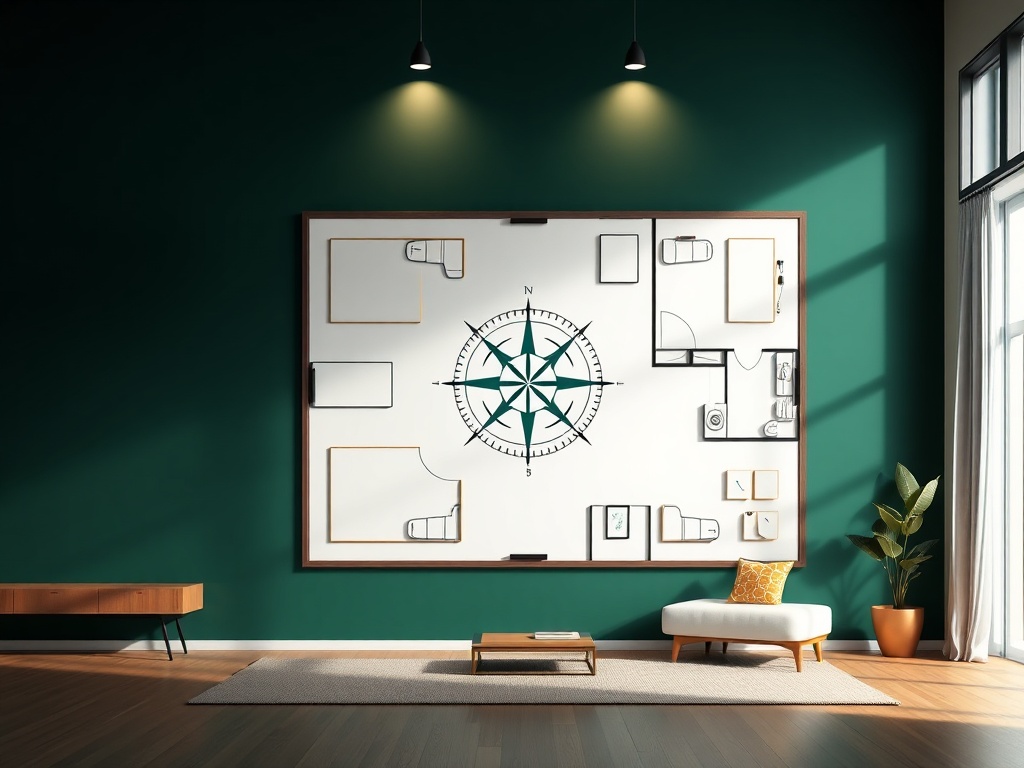
Understanding Feng Shui Floor Plan Analysis
Feng shui floor plan analysis is a methodical approach to evaluating your home's layout with the goal of enhancing the flow of energy—often referred to as "chi"—and creating a balanced living environment. At its core, this practice focuses on spatial flow, energy balance, and the thoughtful arrangement of rooms and furniture to promote comfort and harmony.
One of the foundational tools in feng shui analysis is the Bagua map, a grid that divides your home into nine distinct areas, each corresponding to a different life aspect such as health, wealth, relationships, and career. This map helps to identify the energetic qualities of each section within your floor plan and guides adjustments to improve overall balance.
By understanding how energy moves through your home and where it might be blocked or stagnant, you can begin to see how subtle changes can positively influence your living space. This approach is less about rigid rules and more about practical, mindful adjustments that support your lifestyle.
Common Floor Plan Mistakes to Watch For
Many homes, regardless of their style or size, share common layout challenges that can disrupt energy flow and reduce functionality. One frequent mistake is a blocked or cluttered entryway. Since the front door is considered the "mouth of chi," it’s vital that this area invites energy in rather than obstructing it with obstacles or poor lighting.
Another typical issue involves poorly placed rooms. For example, locating noisy or active spaces such as kitchens or laundry rooms adjacent to bedrooms can disturb rest and relaxation. Conversely, placing essential rooms like the master bedroom or home office in areas with weak energy can make these spaces feel less supportive.
Imbalanced energy zones are also common, where some areas of the home receive too much attention or clutter, while others remain neglected. This imbalance can affect the overall harmony and may lead to discomfort or inefficiency in daily routines.
Recognizing these mistakes is the first step to creating a more balanced and functional environment. Feng shui floor plan analysis offers a practical lens to spot issues beyond mere aesthetics.
Applying the Bagua Map to Your Floor Plan
To effectively use the Bagua map, start by obtaining a clear, scaled floor plan of your home. The next step is to align the map based on the main entrance of your house, as this orientation defines how energy enters and moves through your space.
The Bagua divides your floor plan into nine sections, each representing aspects like wealth, family, creativity, and career. By overlaying the map, you can pinpoint which areas of your home correspond to these life zones.
Once mapped, assess each zone for clutter, lighting, and functionality. Are there areas that feel stagnant or neglected? Are some zones overloaded with objects or activity? This evaluation helps identify where to focus your attention for improvements.
This methodical approach allows you to make informed, intentional changes rather than guesswork, fostering a home that supports your personal and family needs.
Practical Fixes for Feng Shui Floor Plan Challenges
After identifying areas of concern, practical adjustments can improve both energy flow and usability. For blocked entryways, consider decluttering and adding welcoming elements like a well-placed mirror or soft lighting to invite positive energy.
Furniture arrangement plays a crucial role in facilitating smooth movement. Avoid placing large pieces in pathways or directly facing doors, as this can disrupt chi circulation. Instead, arrange seating to foster connection and openness.
Room function adjustments may involve repurposing spaces that don’t align well with their corresponding Bagua zones. For instance, if a bedroom is located in a career area, adding elements that support rest and relaxation can help balance the energy.
Subtle design tweaks—such as adding plants to enhance vitality, incorporating water features for calmness, or using color thoughtfully—can also harmonize the environment. These changes should feel natural and suited to your taste, ensuring your home remains a comfortable sanctuary.
Remember, small, consistent efforts often yield the best results in creating a balanced and inviting home.
How an AI Feng Shui Consultant Can Assist You
Advancements in technology have introduced AI-powered feng shui tools that provide personalized floor plan analysis quickly and efficiently. These tools can process your home's layout, apply feng shui principles like the Bagua map, and generate detailed reports highlighting areas for improvement.
Using data-driven insights, AI consultants can suggest tailored fixes based on your unique floor plan and preferences, helping to prioritize changes that offer the most benefit. This approach can be especially helpful for homeowners seeking an objective perspective or those new to feng shui concepts.
While AI tools offer convenience and consistency, they are best used as complementary resources alongside traditional expertise and your own intuition. Combining these approaches can lead to a well-rounded understanding and more effective home enhancements.
Ultimately, AI feng shui consultants empower you to make informed decisions that align with your lifestyle and goals.
About This Content
Editorial standards: Author & Editorial Standards
Methodology: How FengShuiAI Builds Reports
FAQ
What is feng shui floor plan analysis?
Feng shui floor plan analysis is the process of evaluating a home's layout to optimize the flow of energy, balance spatial elements, and enhance comfort and well-being using feng shui principles.
How can I use the Bagua map on my floor plan?
The Bagua map is a tool that divides your floor plan into nine areas, each representing a different aspect of life. By aligning the map with your home's entrance, you can identify which areas to enhance or adjust.
Can AI tools replace traditional feng shui consultations?
AI feng shui consultants offer practical, data-driven insights that complement traditional methods. While they provide convenience and consistency, combining AI analysis with expert advice can offer the most comprehensive results.
What are common mistakes in home layouts that feng shui can help fix?
Common mistakes include blocked entrances, poorly placed bedrooms or kitchens, and imbalanced energy zones. Feng shui analysis helps identify these issues and suggests practical fixes.
Is feng shui floor plan analysis suitable for all types of homes?
Yes, feng shui principles can be applied to various home styles and sizes. The analysis focuses on optimizing energy flow and spatial harmony regardless of architectural differences.
Topic Cluster Guides
Upload Your Floor Plan for a Free Summary
Ready to bring balance and harmony to your home? Explore our AI-powered feng shui floor plan analysis tools and start creating a layout that truly supports your well-being.
For lifestyle optimization inspiration only. Not professional, medical, legal, or financial advice. Results vary by home layout and input quality.
This article provides general information about feng shui floor plan analysis for educational purposes. It does not offer medical, financial, or professional advice. For personalized guidance, consult a qualified feng shui expert.
Editorial standards: Author | Methodology