
Feng Shui Floor Plan Analysis: Feng Shui Bedroom Layout: Practical Floor Plan Analysis for Better Rest
Discover actionable feng shui bedroom layout tips grounded in floor plan analysis. Learn how to position your bed and arrange your bedroom for improved relaxation and energy balance without superstition.
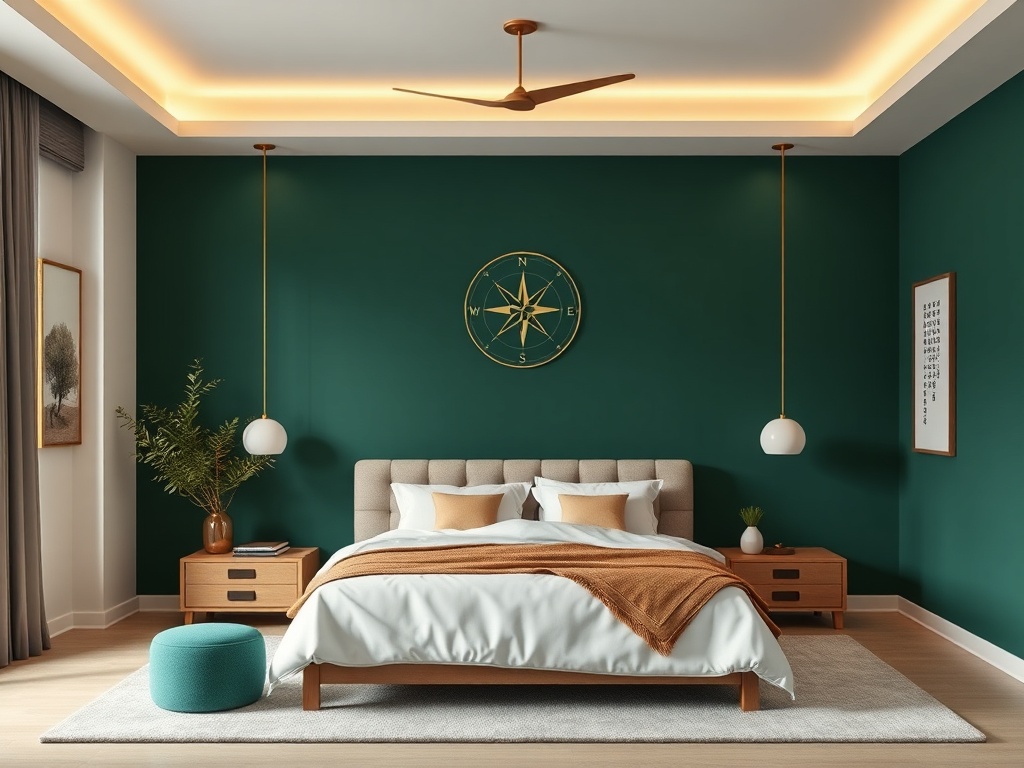
Understanding Feng Shui Bedroom Layout Basics
Feng shui is an ancient Chinese practice focused on harmonizing individuals with their surrounding environment. When it comes to the bedroom, feng shui principles emphasize creating a balanced space that promotes rest and relaxation by encouraging positive energy flow, or "qi."
A key concept in feng shui bedroom layout is energy flow. Ideally, the room should allow smooth circulation of energy without obstruction. Furniture placement, especially the bed, plays a significant role in facilitating this flow.
The orientation of the room and its door also affects the energy dynamics. Natural light, airflow, and the relationship between the bed, doors, and windows contribute to an environment conducive to peaceful rest.
By understanding these foundational elements, you can begin to arrange your bedroom with intention and practical adjustments that support relaxation and balance.
How to Place Your Bed According to Feng Shui Principles
The bed is the centerpiece of any bedroom and its placement is crucial in feng shui. The ideal position is called the "command position." This means the bed should face the bedroom door but not be directly in line with it, allowing you to see who enters without being in the path of incoming energy.
Ensure the bed has a solid, supportive headboard and that the head of the bed is against a solid wall. This provides a sense of stability and security, which is important for restful sleep.
Avoid placing the bed under a window or directly opposite a door, as these positions can create unsettling energy and disrupt rest. If space is limited, use curtains or a headboard to create a protective barrier.
Leave space on both sides of the bed if possible to allow balanced energy and easy access. This arrangement also supports relationship harmony when sharing the bed.
Using the Bagua Map for Bedroom Floor Plan Analysis
The bagua map is a feng shui tool used to analyze the energy distribution within a space. By overlaying the bagua map onto your bedroom floor plan, you can identify key areas that influence rest, relationships, and overall wellbeing.
Focus on the "relationship" sector, typically located in the far right corner from the entrance, to enhance partnership harmony. The "health" and "family" areas also contribute to restful sleep and balanced energy.
Once these areas are identified on your floor plan, arrange furniture and decor to support these sectors. For example, keep these zones clear of clutter and add meaningful items that promote calm and connection.
Using the bagua map provides a structured approach to bedroom layout, helping you make practical adjustments that align with feng shui principles.
Common Feng Shui Bedroom Layout Mistakes and How to Fix Them
One frequent mistake is clutter, which blocks energy flow and can cause mental unrest. Keep your bedroom tidy and remove unnecessary items to maintain smooth energy circulation.
Improper mirror placement is another common issue. Mirrors that face the bed directly can disrupt sleep by reflecting energy and light. Position mirrors so they reflect positive views or natural light but avoid facing the bed.
Electronics such as TVs, computers, and phones can emit electromagnetic fields that interfere with rest. Ideally, keep these devices out of the bedroom or at least away from the bed area.
Beds placed under beams or sloped ceilings can create oppressive energy. If this cannot be avoided, use a canopy or fabric to soften the effect.
Addressing these common problems with simple fixes can significantly improve the bedroom's energy and your ability to relax.
Additional Tips for Enhancing Bedroom Energy
Lighting plays a vital role in creating a calming atmosphere. Use soft, warm lighting rather than harsh overhead lights. Consider lamps with dimmers or candles for a soothing effect.
Color choices influence mood and energy. Opt for muted, natural tones like soft blues, greens, or earth colors that promote tranquility. Avoid overly bright or stimulating colors in the bedroom.
Furniture arrangement should prioritize balance and ease of movement. Avoid overcrowding the space and leave clear pathways to support good energy flow.
Incorporate natural elements such as plants or natural fiber textiles to bring vitality and grounding energy.
By combining these tips with proper bed placement and floor plan analysis, you can create a bedroom environment that supports restfulness and relaxation.
About This Content
Editorial standards: Author & Editorial Standards
Methodology: How FengShuiAI Builds Reports
FAQ
What is the best position for a bed in feng shui?
The best position is the command position, where the bed faces the door but is not directly in line with it, allowing a clear view of the entrance while providing support from the wall behind.
Can feng shui bedroom layout improve sleep quality?
While feng shui principles focus on creating a balanced and calming environment, which may promote better rest, individual results can vary and it should be combined with good sleep hygiene.
Should mirrors be avoided in the bedroom according to feng shui?
Mirrors should not face the bed directly as they can disrupt restfulness. Position mirrors where they reflect positive views or light but avoid reflecting the bed.
Topic Cluster Guides
Upload Your Floor Plan for a Free Summary
Explore more practical feng shui tips and transform your home into a balanced sanctuary by checking our detailed guides on bed placement and energy flow.
For lifestyle optimization inspiration only. Not professional, medical, legal, or financial advice. Results vary by home layout and input quality.
This article provides general information about feng shui principles for bedroom layout and is not intended as professional advice. Individual experiences may vary.
Editorial standards: Author | Methodology